Concentrated raw materials
Chips, batteries and advanced technologies depend on critical raw materials sourced from just a handful of countries. A disruption in one key source can put entire supply chains at risk.
From materials to products to supply chains
Map your suppliers, stress-test your exposure to critical raw materials, and find alternatives before a disruption reaches your production line. Try our free digital tools to make informed decisions about your products and supply chains.
The ResC4EU B2B Platform is funded by the EU’s Horizon Europe programme, Grant Agreement No. 101137643 (2024–2026).
Semiconductors & critical raw materials simulator
Gallium, germanium and other critical raw materials are essential to semiconductor manufacturing, but their supply is concentrated in a limited number of countries. Understanding these dependencies helps manufacturers assess exposure early.
No sign-up required to use the simulator.
The problem
Risks can emerge anywhere across your supply chain — from raw material extraction and transport routes to climate events and geopolitical shifts. We help you anticipate disruptions at every level by turning material, product and supply chain data into actionable insights.
Chips, batteries and advanced technologies depend on critical raw materials sourced from just a handful of countries. A disruption in one key source can put entire supply chains at risk.
You know your direct suppliers. What about their suppliers? Critical dependencies and single points of failure often remain hidden several tiers upstream, until disruption strikes.
Extreme weather, geopolitical tensions and blocked transport routes can disrupt mines, production sites and critical trade corridors. Their impact can spread across supply chains long before warning signs reach your business.
Free tools
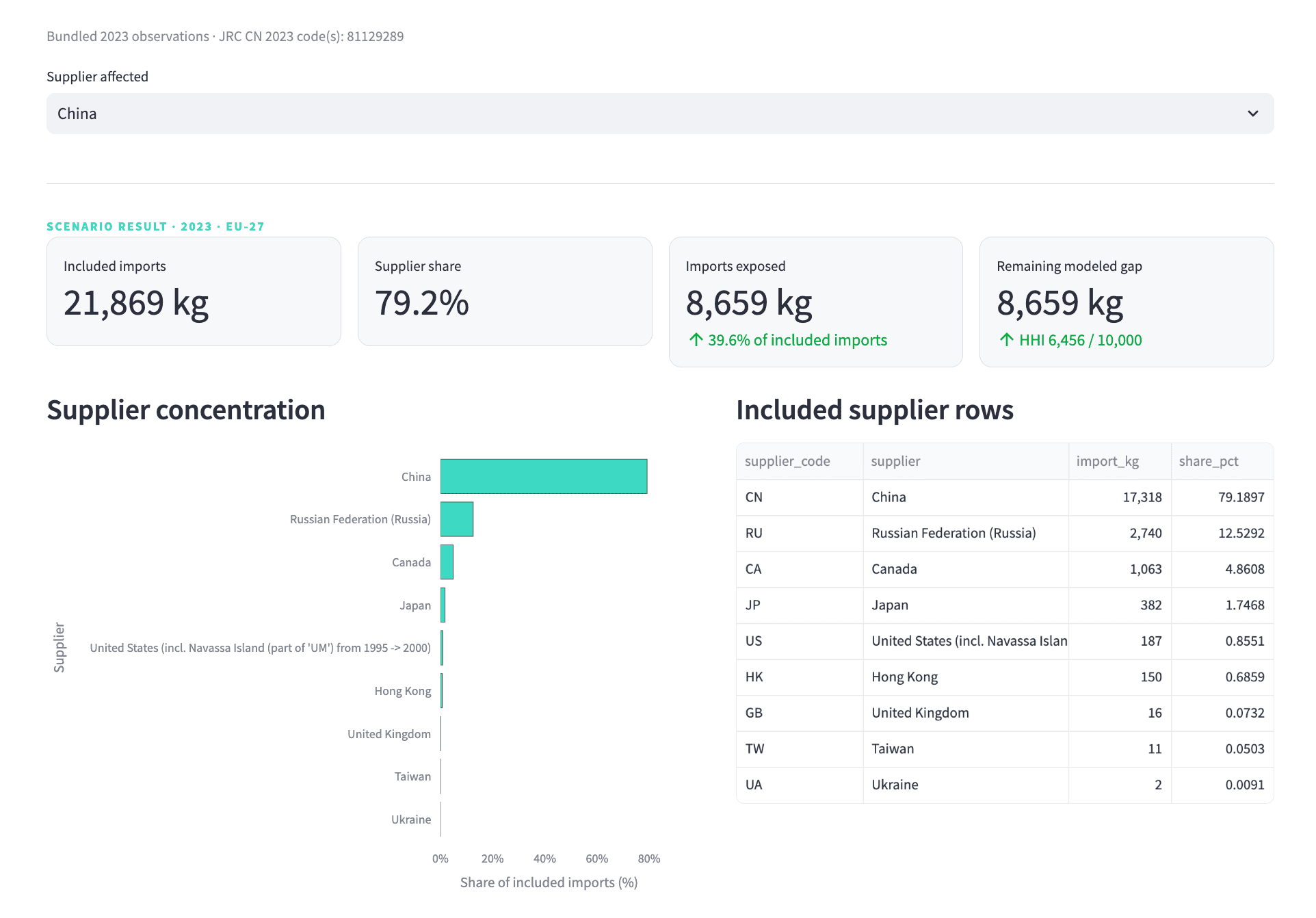
“What happens to our supply chain if a critical semiconductor material becomes unavailable or faces delivery delays?”
Select a material and adjust disruption scenarios to explore potential supply risks, assess impacts on downstream components, and understand your exposure to critical material shortages.
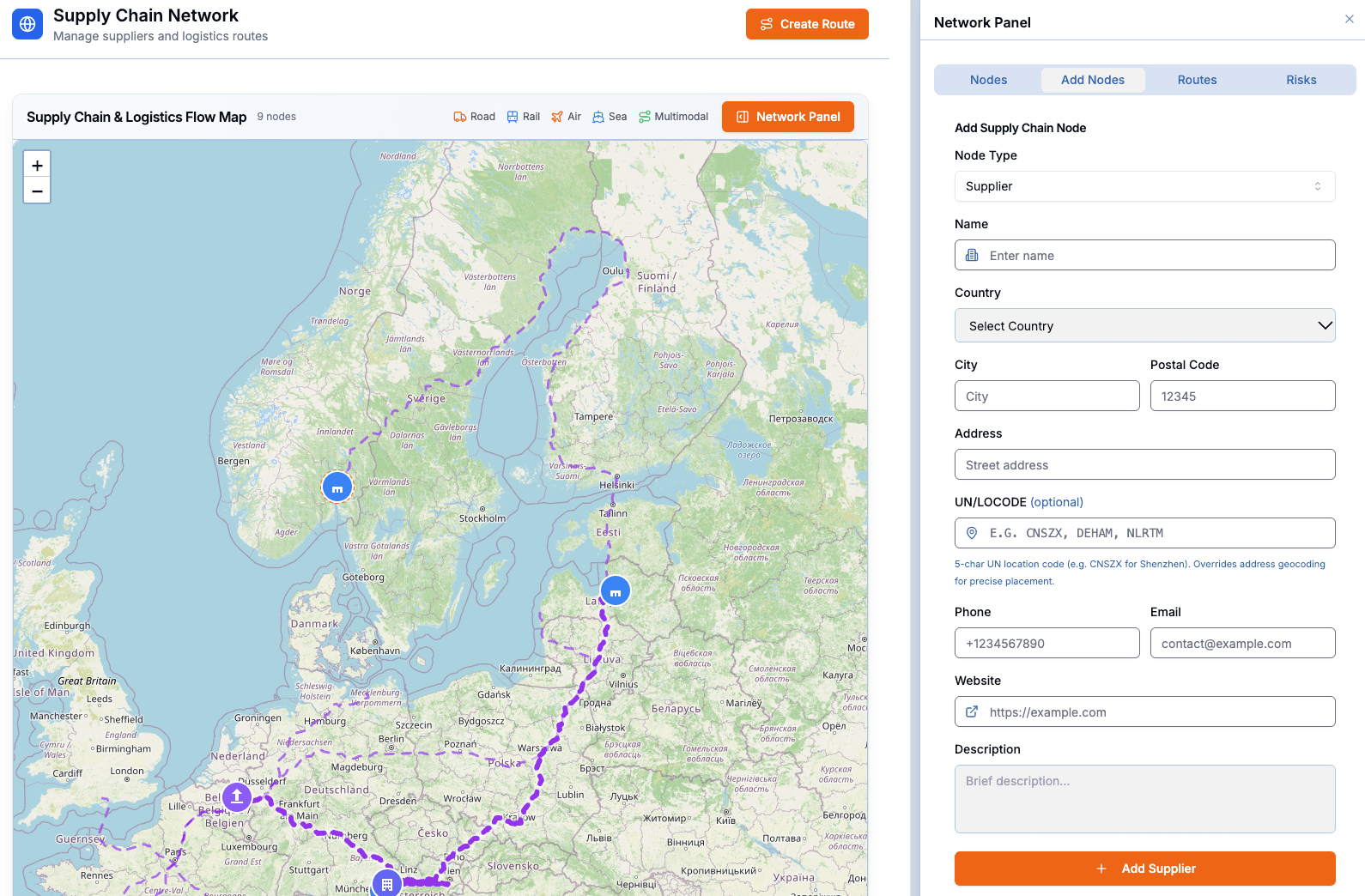
“Who can help us diversify our supply chain, and where are our critical dependencies?”
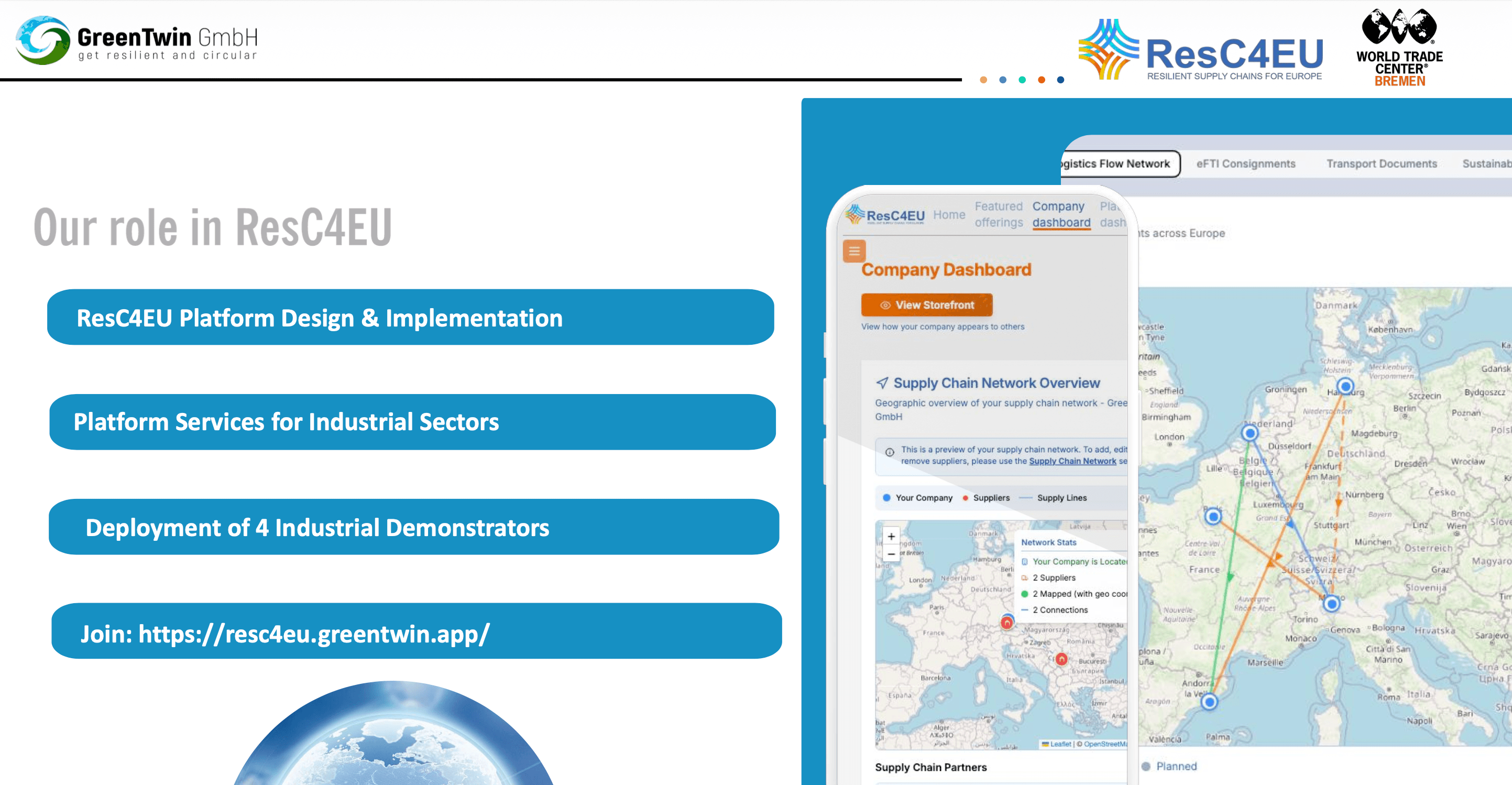
Showcase your products, discover alternative suppliers through automated matchmaking, visualise your supply network, and evaluate supply-chain risks and resilience.
Platform features
Tip: Have you found a high-risk material in the simulator? Use ResC4EU to look for alternative suppliers.
Services
We run your bill of materials and supplier list through our models and hand you a ranked action plan.
Material tracking and circularity data, ready for upcoming EU requirements.
Earth Observation alerts for your critical supplier sites, mines, ports and corridors.
A proven technical partner in material, product and supply chain intelligence for Horizon Europe consortia.
Send us a note to discuss your supply chain needs and how we can help: info @ greentwin . at

Our expertise
We engineer risk and material ontologies that give suppliers, assets and materials a shared, structured meaning. These knowledge models make relationships, risks and recommendations explicit and explainable.
We integrate generative-AI APIs with structured knowledge and domain data to produce grounded explanations, summarize scenarios and make outcomes understandable and traceable.
We combine Copernicus Earth Observation with geospatial analysis to monitor mines, supplier sites, ports and transport corridors, surfacing environmental and operational signals that can affect supply.
We design collaborative B2B platforms for supplier discovery, supply network modelling and shared risk assessment, connecting data and workflows from suppliers through logistics networks.
We support critical-material traceability across products and supply chains, develop circularity insights and help prepare structured product data for Digital Product Passport requirements.
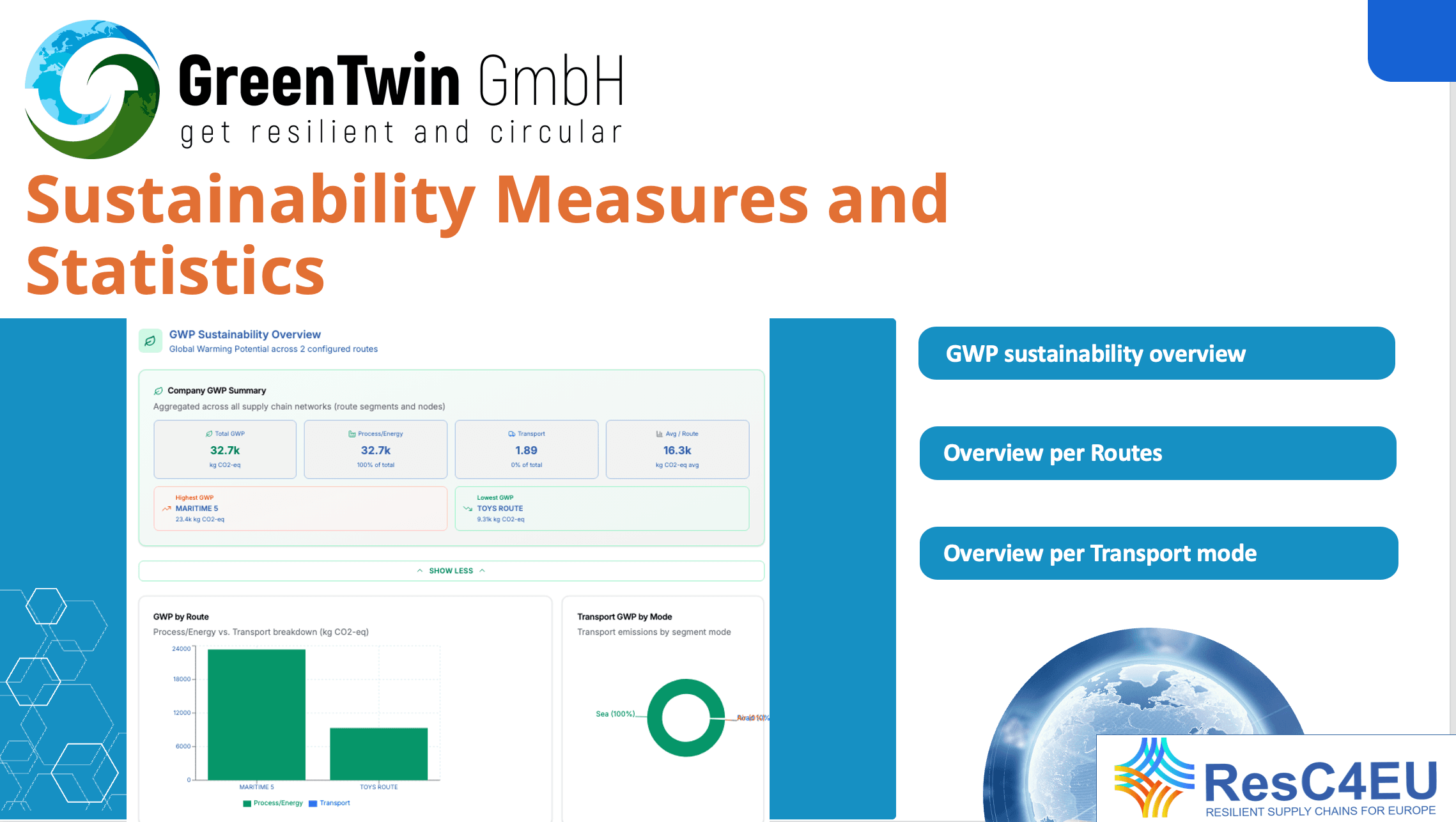
We connect climate-impact and emissions analysis with supply chain decisions, using regional energy factors and Earth Observation insights to support measurable sustainability action.
European collaboration

We are leveraging the DestinE Data Lake (DEDL), its diverse services, Earth Observation data, and advanced processing tools to develop our Supply Chain Climate Resilience Digital Twin and strengthen data-driven decision-making and sustainability features.

We joined the EU-funded FIERCE (Making Space for Green Solutions) Project and its Advisory Services Support Programme, gaining access to expert guidance on space-based applications. This collaboration helps us enhance our digital solutions through the integration of Copernicus data and services.

We contributed to the EU-funded CIRPASS-2 project as external experts in EWG5 (Customisation and Deployment of DPPs) and the Community of Practice (CoP), sharing our expertise in Digital Product Passports. This involvement does not imply a formal partnership or commercial engagement.
Through SURE 5.0 (Supporting the SMEs Sustainability and Resilience Transition Towards Industry 5.0), we received a €50K grant to participate in a six-month acceleration programme, supporting our growth and transition towards more sustainable and resilient business practices.
As part of SURE 5.0 (Supporting the SMEs Sustainability and Resilience Transition Towards Industry 5.0), we received €10K worth of services to assess our Industry 5.0 readiness, identify improvement opportunities, and define next steps towards a more sustainable and resilient operation.

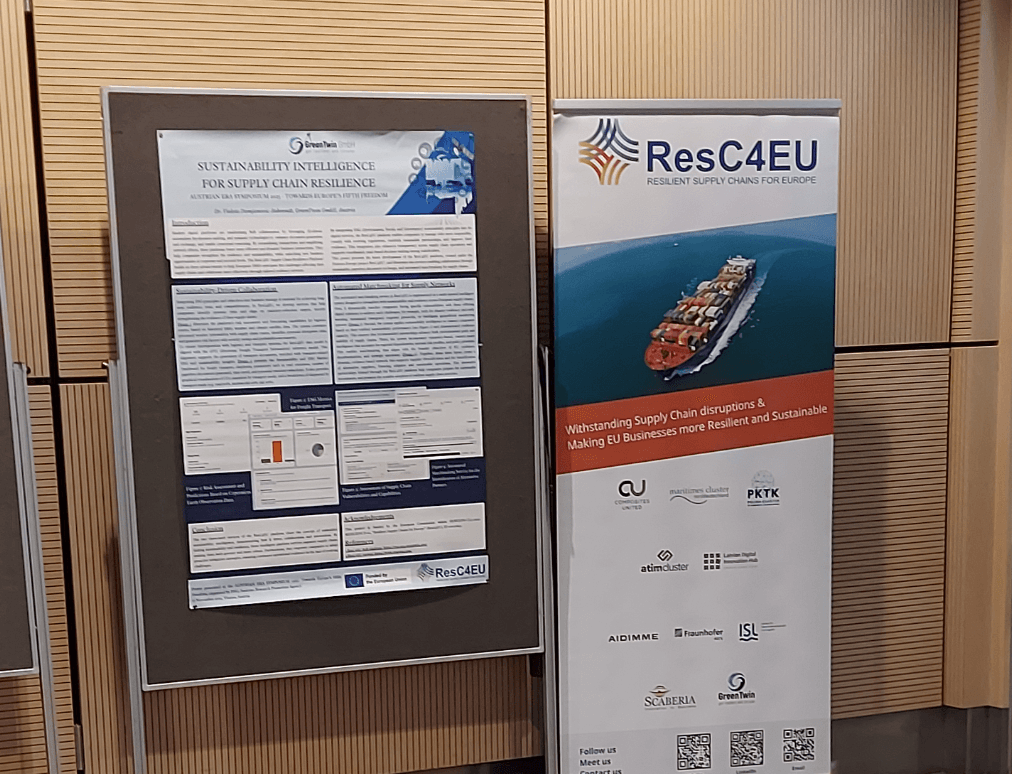
ResC4EU (Resilient Supply Chains for Europe) is an EU-funded initiative focused on strengthening supply chain resilience among European SMEs. We received €387K grant and contributed by developing a collaborative B2B supply chain platform, and fostering cross-border cooperation. Grant ID: 101137643

Through the EU-funded C-SCALE project (Copernicus EOSC Analytics Engine), we received access to cloud resources and HTC/HPC (High-Throughput and High-Performance Computing) capabilities, supporting our data-intensive processing and analysis needs.
Our qualifications
Sustainability hub
We publish an annual greenhouse gas report — including the years when emissions rise — because transparency is what we ask of supply chains.
Published July 2026
Published January 2025
News